Is Golf an Expensive Sport?

Why is golf so often associated with wealth and luxury? Is this perception a reflection of reality, or can golf be enjoyed without draining your bank account? Many potential golfers shy away from the sport due to concerns about cost. With images of private country clubs, high-end equipment, and designer clothing, golf can appear financially intimidating.
But is golf an expensive sport in every case? The truth is more nuanced. While it can certainly be costly, it doesn’t have to be. The expenses involved in playing golf vary significantly depending on the choices a player makes.
By examining what drives the cost of golf and exploring ways to manage it, it becomes clear that the sport can be accessible to a wider audience than commonly believed.
What Drives the Perception That Golf Is an Expensive Sport?
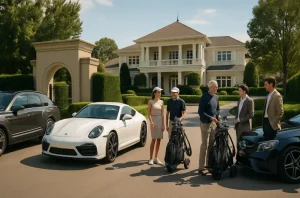
The widespread belief that golf is a costly sport is rooted in several factors. From the price of gear to the exclusivity of private clubs, many aspects of golf contribute to its high-end image.
Equipment, course fees, apparel, and even lessons are all cost elements that, if approached without strategy, can add up quickly.
Golf’s historical ties to elite circles and business networking have further enhanced this perception. The sport was once played primarily by affluent individuals at private clubs, and this tradition has left a lasting impression.
Media portrayals, celebrity endorsements, and luxury golf tournaments often reinforce the association with wealth.
However, this perception doesn’t account for the wide spectrum of options available to modern golfers. While some players spend thousands annually, others manage to enjoy the game for just a few hundred dollars a year.
How Much Does Golf Equipment Really Cost?
The cost of golf equipment varies drastically depending on brand, quality, and whether the gear is bought new or used.
A complete set of brand-new clubs from leading manufacturers can easily exceed $2,000, especially when custom fitting and high-end components are involved. But beginners and casual players have far more affordable options.
Used or secondhand clubs are widely available both online and in sports retail stores. These sets often cost a fraction of their original price while still offering excellent performance.
For a newcomer, a decent used set of clubs might range between $150 and $300. Beyond clubs, golfers need balls, gloves, tees, and a bag. These additional items can be managed with budget-friendly alternatives.
Golf balls, for example, come in bulk packages, and gloves can often be found at discounted prices in outlet stores.
Here’s a breakdown of average equipment costs for different player levels:
| Equipment Item | Beginner Cost | Premium Cost |
|---|---|---|
| Golf Club Set | $200 – $500 | $1,200 – $2,500+ |
| Golf Balls (Dozen) | $15 – $25 | $40 – $60 |
| Golf Glove | $10 – $20 | $25 – $40 |
| Golf Bag | $75 – $150 | $250 – $500 |
| Accessories | $20 – $50 | $100+ |
Buying secondhand or opting for beginner bundles is one of the easiest ways to reduce the initial cost of entering the sport.
Why Are Golf Course Fees So Varied?

One of the most significant ongoing costs in golf comes from paying to play on golf courses. The price of a round can vary dramatically depending on the type of course and its location.
Public and municipal golf courses tend to be much more affordable than private clubs or resort courses. Public courses, especially those run by cities or counties, often offer 18-hole rounds for as little as $25 to $50.
These facilities are designed to be accessible to the general public, and many even offer reduced rates for juniors, seniors, or residents. In contrast, private golf clubs often charge substantial initiation fees, sometimes exceeding $10,000, in addition to monthly dues ranging from $200 to over $1,000.
These clubs typically offer well-maintained courses, exclusive amenities, and a limited membership base, but they represent a high financial commitment. Resort courses and championship-level facilities also tend to charge premium green fees, sometimes over $200 per round, especially during peak season.
These prices reflect not only the quality of the course but also the location, course design, and overall experience.
Do Golf Course Maintenance Costs Influence Green Fees?
Yes, maintenance plays a significant role in determining course fees. Golf courses require extensive upkeep to maintain playable conditions and aesthetic appeal.
Greens need to be carefully mowed and rolled, fairways groomed, bunkers raked, and hazards managed. Additionally, irrigation, fertilization, pest control, and landscaping are ongoing tasks.
These maintenance demands come at a high cost. The use of specialized equipment, skilled groundskeepers, and water usage can cost hundreds of thousands of dollars annually for an 18-hole course.
These operational expenses are passed along to players in the form of green fees and membership dues.Private clubs and high-end resort courses tend to invest more in course conditioning and amenities, which is reflected in their higher pricing.
On the other hand, municipal courses often balance playability with affordability, prioritizing accessibility over pristine aesthetics.
Does Clothing Really Add to the Cost of Golf?
Although it may seem minor compared to equipment and green fees, clothing can also contribute to golf’s expense. Many golf courses have dress codes requiring collared shirts, tailored pants or shorts, and proper golf shoes.
While not inherently expensive, adhering to these standards can add to the cost, especially for those new to the sport.
Golf-specific apparel is often marketed by premium brands at high price points. However, practical and compliant golf clothing is available at department stores, discount retailers, and sports outlets at much more reasonable prices.
A basic outfit including a collared shirt, khaki shorts, and affordable golf shoes can cost under $100 if purchased wisely.
Most players won’t need more than a few interchangeable outfits to start, making this a manageable cost with a little planning.
What Are the Ongoing Costs Golfers Should Expect?
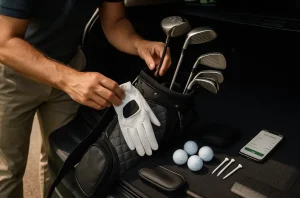
Beyond initial setup and occasional course fees, regular golfers may face a few recurring costs. These include replacing lost or worn-out balls, updating gloves, and maintaining clubs such as regripping.
Players who participate in tournaments or leagues may also need to pay registration fees and travel costs.
For those looking to improve, lessons are another consideration. Private instruction from a PGA-certified coach can cost between $60 and $100 per hour.
While valuable for skill development, this cost can add up. Many budget-conscious players opt for group clinics or instructional videos online.
Ongoing costs can be kept in check by sticking to public courses, using budget-friendly supplies, and minimizing optional expenditures.
Can Golf Be Played Affordably?
Despite its reputation, golf can absolutely be played on a budget. Many players enjoy the game for less than $1,000 a year by making smart choices about where and how they play.
Choosing secondhand equipment, playing at public courses, and taking advantage of discounted tee times can dramatically reduce expenses.
Many golf courses offer twilight rates discounted fees for late afternoon play which allow for nearly the same experience at a lower cost.
Group lessons, online tutorials, and local community programs can provide skill development without the high price tag of private coaching. Some regions also offer free or low-cost junior programs through schools or local parks departments.
Here’s an example of a budget-friendly golf setup for a casual player:
| Cost Category | Estimated Annual Cost |
|---|---|
| Used Equipment | $250 |
| Public Course Green Fees | $500 |
| Basic Apparel | $100 |
| Group Lessons | $150 |
| Misc. (balls, gloves) | $100 |
| Total | $1,100 |
For many, that figure is comparable to or even less than the cost of other hobbies like skiing, cycling, or attending sports events regularly.
Why Is Golf Still Seen as a Luxury Sport?
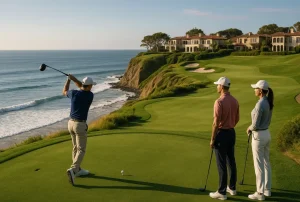
The association between golf and luxury persists due to cultural, social, and historical influences. In the past, golf was a sport enjoyed primarily within country clubs, where expensive dues, exclusive membership, and social status played significant roles. That legacy continues to shape perceptions today.
Media and advertising also contribute to this image. Professional golf events, celebrity endorsements, and televised tours often feature top-tier courses and high-end sponsors, reinforcing the luxury association.
However, the sport has evolved. Today, golf is more accessible than ever before, with public courses, flexible playing options, and a growing emphasis on inclusivity. Many communities across the United States promote youth participation, diversity in golf, and economic accessibility.
Is Golf Worth the Investment of Time and Money?
Whether or not golf is worth the expense depends on what the player hopes to get out of it. Golf is more than just a game it offers opportunities for physical activity, mental focus, social interaction, and stress relief. For some, it’s also a valuable business networking tool.
The sense of challenge and satisfaction that comes from personal improvement in golf is unique. And the pace of the game allowing for reflection, nature appreciation, and companionship, is unlike most other sports.
If approached thoughtfully, the return on investment can be substantial, both personally and recreationally.
Conclusion: Is Golf an Expensive Sport or a Manageable Hobby?
Yes, golf is often expensive, especially when players opt for private club memberships, the latest equipment, and premium courses. The historical roots and cultural associations of golf with wealth and prestige have cemented its reputation as a luxury sport.
But that’s only one side of the story. For those willing to explore alternative paths, golf can be played affordably. By purchasing secondhand equipment, playing at municipal courses, using online tee time deals, and participating in community-based programs, players can significantly reduce costs while still enjoying all the benefits of the game.
In the end, golf is as expensive as you make it. Whether you spend $500 or $5,000 annually, the value lies in the enjoyment, the challenge, and the connection with others. For millions of Americans, that makes golf well worth the investment no matter the budget.
FAQs About the Cost of Playing Golf
What makes golf more expensive than other sports?
Golf involves both high upfront equipment costs and recurring fees for course access, which many other sports do not require.
Can a beginner enjoy golf without spending too much?
Yes. Beginners can start with secondhand gear and play on municipal courses for a few hundred dollars per year.
Are private golf clubs worth the cost?
For some, the amenities and social opportunities justify the price. For most recreational players, public courses offer plenty of value.
What’s the most affordable way to start golfing?
Buying used clubs, playing at public courses, and taking group lessons are effective ways to start on a budget.
How can I find discounts for golf?
Look for twilight rates, city-run programs, seasonal deals, and online tee time apps that offer exclusive pricing.
Is it necessary to wear special clothing to play?
Most courses require collared shirts and golf-appropriate attire, but these can be purchased affordably without using premium brands.
What’s a realistic budget for an amateur golfer in the USA?
A casual golfer playing twice a month can expect to spend around $1,000 – $2,000 annually, depending on location and equipment choices.