Why Are NFL Tickets So Expensive?

Have you ever wondered why the price of an NFL ticket often feels like it belongs in the luxury goods aisle? Why is it that attending one football game can cost more than a weekend getaway or a top-tier concert? And why do these prices seem to keep climbing every season?
The cost of NFL tickets is not an accident or a sudden trend. It is the product of deliberate market strategies, the natural forces of supply and demand, and the growing perception that an NFL game is more than just a sporting event it is a premium entertainment experience. To understand why prices are so high, it’s worth examining the economics, business strategies, and fan culture that drive the market.
How Does Limited Seating Drive Up NFL Ticket Prices?
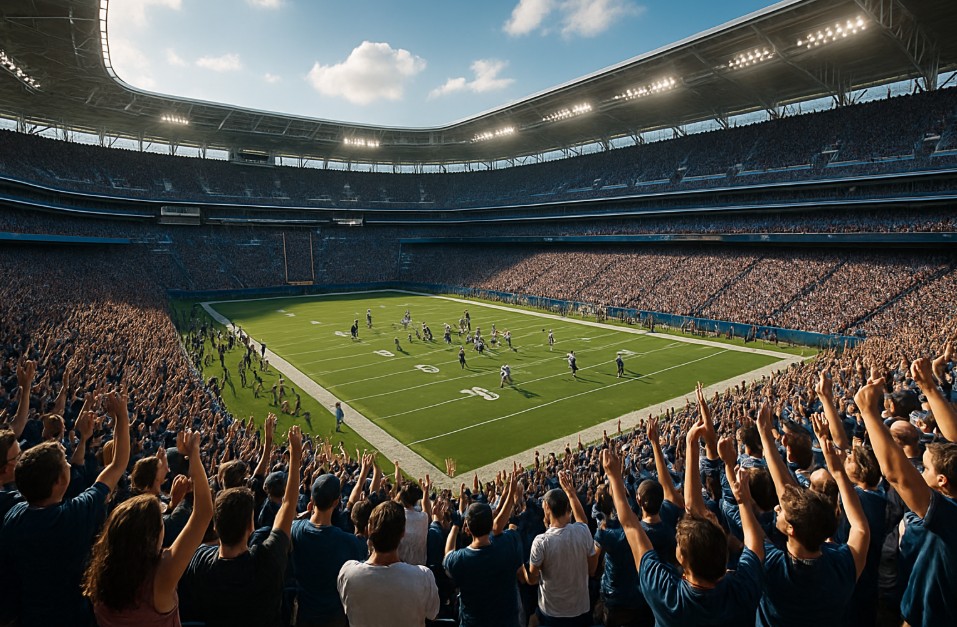
Every NFL stadium has a fixed capacity, and while some are massive by sporting standards, none can meet the demand for tickets to popular games.
A venue like AT&T Stadium in Arlington, Texas, can hold over 80,000 fans, while smaller stadiums like Soldier Field in Chicago hold fewer than 62,000. No matter the size, there is a hard limit on how many people can be in attendance.
This scarcity is one of the most powerful drivers of high prices. In basic economics, when supply is limited and demand is high, prices rise until only those willing (and able) to pay the higher amount remain.
In the case of the NFL, the short season compounds this scarcity each team plays only eight or nine home games in a regular season, leaving very few opportunities for fans to see their team in person. That limited supply ensures that ticket prices rarely, if ever, drop significantly.
Why Is the Demand for NFL Games So Strong?
The NFL is the most-watched sport in the United States. Its television ratings dominate every major broadcast category, and its events, especially the Super Bowl, attract audiences far beyond traditional sports fans. The passion of NFL supporters is unmatched, and this emotional connection fuels ticket demand.
Unlike baseball or basketball, where there are many games and ticket prices are spread out over a long season, the NFL’s short schedule makes each game feel more important.
Missing one home game could mean missing a key moment in a team’s playoff push. Fans of successful franchises, such as the Kansas City Chiefs or the San Francisco 49ers, know that big matchups and rivalry games sell out almost instantly. That urgency drives people to pay more, even before considering resale markups.
How Does the NFL Control the Supply of Tickets?
Many fans believe that when ticket sales open, every seat is available to the public. In reality, a significant portion of the stadium is already spoken for long before general sales begin.
Season ticket holders often occupy the same seats year after year, corporate sponsors receive large blocks of tickets for clients, media outlets have allocations for coverage teams, and players receive tickets for friends and family.
When these commitments are subtracted from the total seating capacity, far fewer tickets remain for ordinary fans. This controlled supply increases competition for the few available seats, especially for high-demand games. Once those are gone, the only option for many fans is to purchase from the secondary market often at a much higher price.
What Role Does the Secondary Market Play in Driving Prices Up?

Over the past decade, the rise of ticket resale platforms such as StubHub, Vivid Seats, and Gametime has reshaped how people buy and sell tickets. These platforms use real-time pricing algorithms that adjust based on demand. If a game between two playoff-caliber teams suddenly gains national attention, resale prices can double or even triple within days.
The secondary market acts as both a release valve and a pressure cooker. It allows fans who cannot attend to sell their tickets, but it also encourages speculators to buy large quantities with the intent of reselling at a profit. This practice can push average prices well above their original face value, especially for marquee matchups.
Does Team Performance and Popularity Affect Ticket Prices?
A team’s recent success and overall popularity have a significant influence on ticket costs. Consider the New England Patriots during their championship years with Tom Brady their games consistently commanded some of the highest prices in the league. Similarly, the Kansas City Chiefs’ recent Super Bowl victories have caused their ticket values to soar.
Even a mid-tier team can experience price surges when they sign a star quarterback or enjoy a sudden playoff run. On the other hand, teams with losing records often see lower ticket demand, especially late in the season, when playoff hopes have faded. However, rivalry games and special events can still command premium prices regardless of a team’s standing.
How Do Stadium Designs and Upgrades Impact Prices?
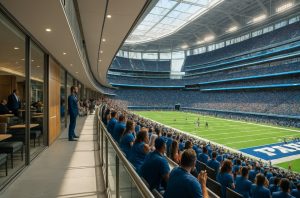
Modern NFL stadiums are not built simply to accommodate as many fans as possible. In fact, many recent designs intentionally reduce general seating to make room for more premium offerings. Luxury suites, club-level seating, and exclusive lounges generate far more revenue per seat than traditional bleacher-style sections.
A newly built or renovated stadium often becomes a tourist attraction in its own right, increasing demand for tickets. SoFi Stadium in Los Angeles and Allegiant Stadium in Las Vegas have become destinations for both football fans and casual visitors, which pushes demand and prices even higher.
These premium features create an upscale environment that positions an NFL game as a high-value entertainment package.
Why Is Attending an NFL Game Considered a Luxury Experience?
The cost of an NFL ticket is not just for the privilege of seeing the game; it covers access to an all-day entertainment event. From elaborate halftime performances to interactive fan zones and gourmet concession options, the modern NFL game-day experience is designed to be immersive.
Many fans see attending a game as a special occasion rather than a regular pastime. Between tailgating, live music, player interactions, and community events, the ticket buys far more than just a seat. This positioning as a luxury experience justifies the premium pricing for many fans, who see it as a once-or-twice-a-year indulgence rather than a weekly expense.
How Do Operational Costs Influence Pricing?
Running an NFL game is expensive. Each event requires extensive staffing security personnel, ushers, food service workers, cleaning crews, and technical teams for lighting, audio, and broadcast coordination. Stadium maintenance, insurance, and licensing fees also add to the bill.
Although the NFL earns billions from broadcasting rights, ticket sales remain an important source of revenue for both the league and individual teams. Owners set ticket prices to cover operating expenses and still generate profit. These costs are factored into the base price before any secondary market inflation occurs.
How Does the Law of Demand Explain NFL Ticket Pricing?
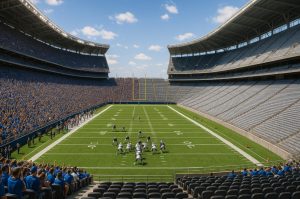
The law of demand states that when the price of a product rises, demand falls, and when the price falls, demand rises all else being equal. In the case of NFL tickets, demand is so high and supply is so limited that prices can be raised until only a smaller, more financially capable portion of fans remains willing to buy.
This is the equilibrium point where supply meets demand at a profitable level. Because there are always more fans wanting tickets than tickets available, the NFL can maintain high prices without significantly reducing sales. It is a textbook example of market-driven pricing at work.
Average NFL Ticket Prices by Team in 2025
| Team | Average Price | Highest Price Game | Lowest Price Game |
| San Francisco 49ers | $185 | vs. Dallas Cowboys | vs. Arizona Cardinals |
| Kansas City Chiefs | $170 | vs. Buffalo Bills | vs. Jacksonville Jaguars |
| Philadelphia Eagles | $165 | vs. New York Giants | vs. Washington Commanders |
| Las Vegas Raiders | $150 | vs. Kansas City Chiefs | vs. Houston Texans |
| Detroit Lions | $110 | vs. Green Bay Packers | vs. Chicago Bears |
Will NFL Ticket Prices Ever Decrease?
As long as demand remains strong and the NFL continues to market its games as premium experiences, there is little reason to expect prices to drop significantly. The league’s business model relies on scarcity, exclusivity, and spectacle, all of which support high ticket values.
For some fans, the excitement of being in the stadium, surrounded by fellow supporters, is worth the expense. For others, the rise of high-definition broadcasts and affordable streaming makes watching from home a better option. Either way, the economics of the NFL make it clear: these prices are here to stay.
FAQs
Why are NFL tickets priced like a luxury item?
Because the league markets them as part of a premium, all-day entertainment experience that combines the game with music, amenities, and exclusive access.
Do ticket prices drop if a team is losing?
Yes, underperforming teams often see reduced demand, leading to lower prices, though rivalry games can still be costly.
Are preseason games significantly cheaper?
Preseason games are usually much more affordable since they carry less competitive importance.
Does buying from the team directly save money?
It can, but high-demand games often sell out instantly, forcing many fans to use the resale market.
Why are rivalry games especially expensive?
Historic rivalries generate intense interest, drawing larger crowds and driving up demand and prices.
Do stadium renovations increase ticket prices?
Almost always, because the improvements add premium seating and amenities that justify higher prices.
Is it possible to get last-minute deals?
Sometimes, particularly for games with lower demand, but for popular matchups, prices often rise closer to kickoff.