NHL Preseason Overtime Rules: A Complete Guide for Hockey

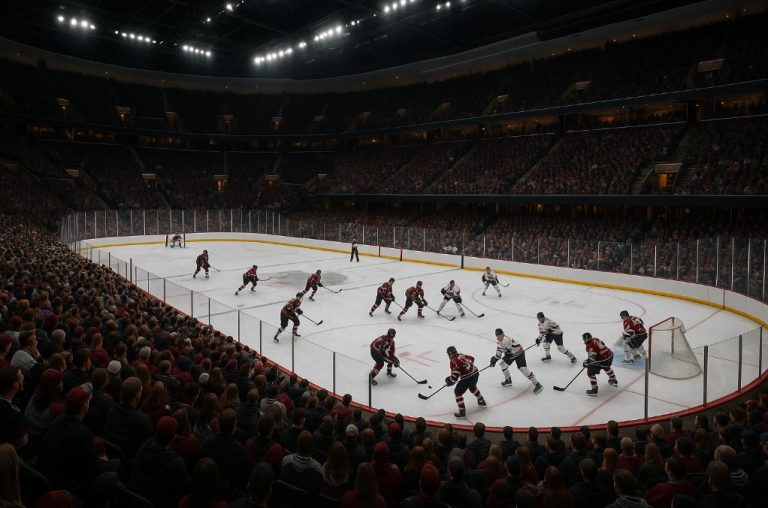
As the NHL preseason begins, fans eagerly watch their favourite teams return to the ice. The excitement of seeing new lineups, rookies pushing for roster spots, and veterans sharpening their skills often overshadows one important detail: how do these games actually end when regulation time runs out?
Unlike playoff hockey, where games can stretch endlessly until a goal is scored, preseason games are managed differently to balance competitiveness with practicality.
The NHL preseason overtime rules follow the same structure as the regular season. If a game is tied after three periods, teams play a five-minute, three-on-three sudden-death overtime. If neither side scores, the contest moves to a shootout, beginning with three rounds and continuing into sudden death if needed.
The rules are designed not only to prepare players for the regular season but also to ensure that no preseason game ends in a tie.
How Does the Three-on-three Overtime Format Work in the NHL Preseason?
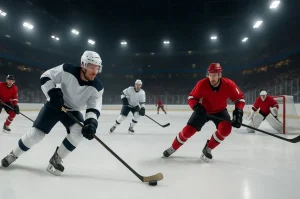
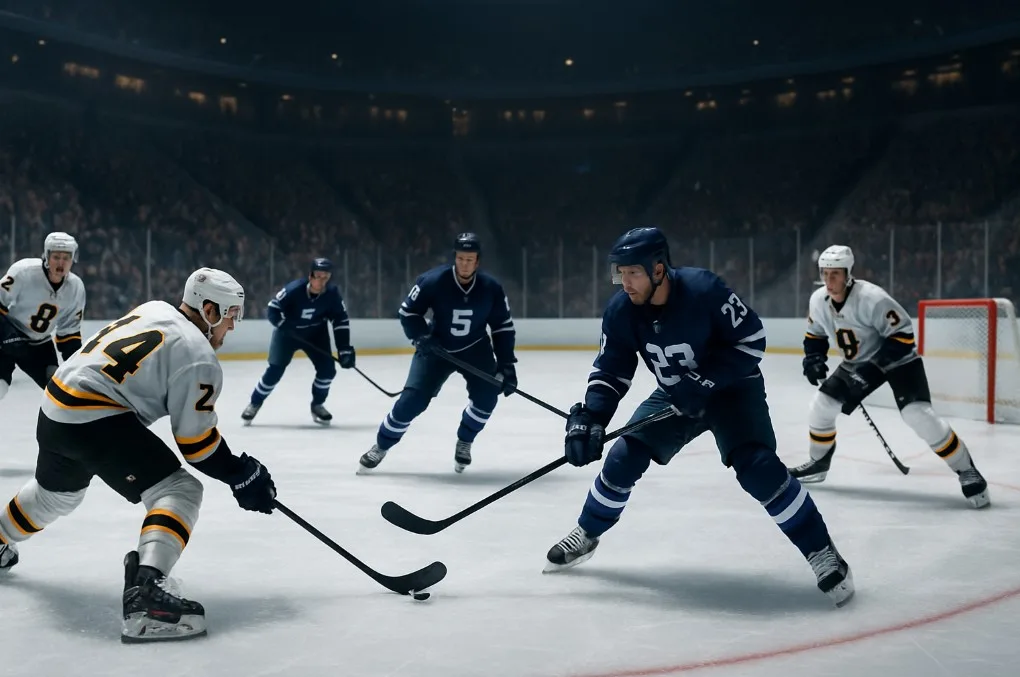
When a preseason game is tied after sixty minutes of regulation, it heads into overtime. This period lasts five minutes and features three skaters plus a goalie for each team.
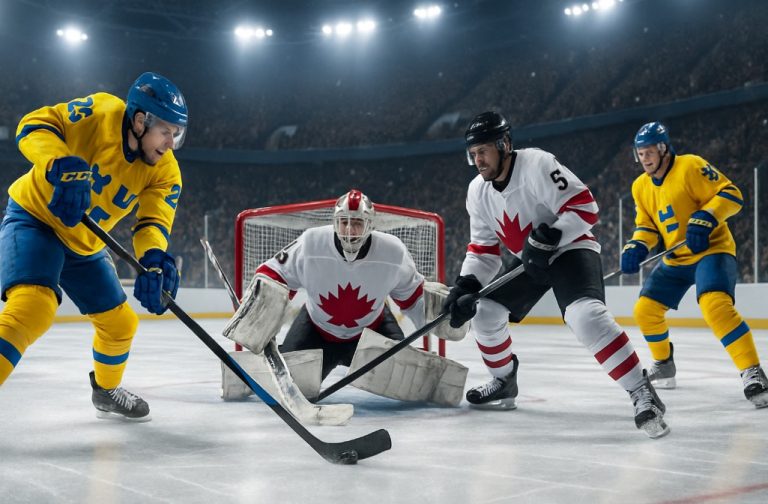
Reducing the number of players on the ice from the standard five-on-five format creates more space, which leads to high-speed rushes, open-ice breakaways, and increased scoring chances.
The overtime period is played under sudden-death rules, meaning that the very first goal scored ends the game immediately.
Coaches often use this time to test different player combinations, including rookies and prospects, who may not get such opportunities in regular-season matchups. This setup allows young players to showcase their creativity and composure in high-pressure situations.
For example, imagine a preseason clash between the Toronto Maple Leafs and the Ottawa Senators. If the game is tied 3–3 after regulation, the teams will head into a five-minute overtime. If a Senators forward breaks away and scores just 30 seconds into the extra session, the game ends at that moment.
What Happens if Neither Team Scores in Preseason Overtime?
If no team finds the back of the net during the five-minute sudden-death overtime, the game advances to a shootout. This ensures that every preseason game ends with a winner, avoiding the possibility of ties, which were eliminated from the NHL entirely in 2005.
During the shootout, each side selects three players who take alternating attempts against the opposing goalie. The team that scores the most goals after these three rounds wins the game. If the shootout remains tied after those initial rounds, it shifts to sudden death, where one goal can instantly determine the outcome.
For instance, in a preseason meeting between the Boston Bruins and the Philadelphia Flyers, the game remains deadlocked after overtime. The Bruins send out three shooters, scoring twice, while the Flyers manage just one goal. In that case, the Bruins are declared the winners.
How Does the Sudden-death Shootout Format Work?
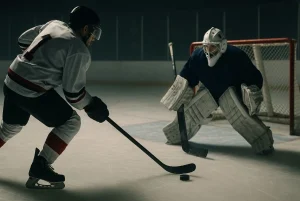
The sudden-death shootout comes into play when the score is still tied after the first three rounds. From this point onward, teams send out one shooter per round. If one team scores and the other does not, the game ends immediately.
This structure makes every shot in sudden-death shootouts high stakes, often providing some of the most dramatic moments in preseason hockey.
Consider a scenario where the Vancouver Canucks and Calgary Flames remain tied after the first three shootout attempts. In the fourth round, a Canucks rookie scores, and the Flames’ shooter is denied. The game concludes instantly, and the Canucks walk away with the victory.
This format not only guarantees a clear winner but also allows coaches to evaluate which players are comfortable under extreme pressure.
Are NHL Preseason Overtime Rules Different From Regular-season Rules?
The NHL ensures consistency between preseason and regular-season overtime rules so that players, officials, and coaches operate under the same expectations. Both formats feature a five-minute, three-on-three sudden-death period followed by a three-round shootout and then sudden death if required.
The main distinction lies in flexibility. In the preseason, teams occasionally agree to conduct a shootout regardless of the outcome of the game. This optional shootout is strictly for practice purposes and does not affect the official result of the match.
For example, even if one team wins in overtime, coaches may decide to run a shootout afterward so their goaltenders and skaters can rehearse under game-like conditions.
Here’s a comparison of preseason and regular-season overtime structures:
| Format | Preseason | Regular Season |
|---|---|---|
| Overtime Duration | 5 minutes | 5 minutes |
| Overtime Style | 3-on-3 sudden death | 3-on-3 sudden death |
| Shootout | Yes, if tied after overtime | Yes, if tied after overtime |
| Optional Shootout Practice | Sometimes, by agreement | Not permitted |
Why Does the NHL Structure Overtime This Way in Preseason?
The NHL has carefully designed its overtime rules for the preseason to balance competition, player safety, and entertainment.
A full playoff-style overtime, with unlimited 20-minute periods, would be exhausting and risky in games that do not count toward the standings. Instead, the shorter format reduces physical strain and ensures players are fresh as the season approaches.
Moreover, preseason is a valuable period for experimentation. Coaches use overtime and shootouts to evaluate different combinations, test young players, and prepare veterans for the rhythm of extra time.
Goalies, in particular, benefit from facing breakaways and shootout attempts, which sharpen their reflexes and situational awareness before the regular season.
For fans, the structure delivers fast-paced, decisive endings. Even though these games do not influence standings, the excitement of overtime hockey remains intact, creating an engaging preseason experience.
Has NHL Preseason Overtime Always Followed This Format?
Not quite. The NHL has adjusted its approach to overtime and shootouts over the years, with preseason often serving as a testing ground for changes.
Before 2005, ties were still possible, and preseason games could end without a clear winner. That changed in the 2005-06 season when the league introduced the shootout as part of an effort to eliminate ties entirely.
Another major adjustment occurred in the 2015-16 season when the NHL switched to the three-on-three overtime format. This change dramatically increased the chances of a game being decided before a shootout, as the open ice created more offensive opportunities.
Since then, both preseason and regular-season games have used the same format, ensuring consistency across all non-playoff matches.
How Do Preseason Overtime Rules Affect Players and Coaches?
Even though the outcomes of preseason games do not impact the standings, overtime periods and shootouts hold significant value for both players and coaches.
For players, especially those fighting for roster spots, performing well in overtime situations can make a strong impression. A prospect who scores in sudden-death overtime or converts a key shootout attempt may boost their chances of making the final team.
Coaches also benefit from these extra periods, as they provide a chance to test player chemistry in high-pressure moments. For instance, a coach may pair a rookie with an experienced star during three-on-three overtime to see how well the young player adapts. Goaltenders, too, gain crucial practice by facing one-on-one scenarios during shootouts.
Thus, while the preseason results do not carry weight in the standings, the lessons learned during overtime and shootouts can shape roster decisions and strategies for the regular season.
What Are Some Common Misconceptions About Preseason Overtime Rules?
Despite the clarity of the format, several misconceptions about preseason overtime persist among fans. One common belief is that preseason games can still end in ties, but this has not been true since the league introduced shootouts in 2005.
Another misconception is that players do not give their full effort in preseason overtime. While the stakes are certainly lower than in the playoffs, players competing for roster spots often treat these moments as critical opportunities.
Some fans also assume that preseason overtime rules are experimental and entirely separate from the regular season. In reality, the rules are nearly identical, with the exception of optional practice shootouts. The consistency ensures players are fully prepared once the regular season begins.
Conclusion
The NHL preseason overtime rules are straightforward yet significant. When games remain tied after regulation, teams play a five-minute, three-on-three sudden-death overtime.
If no one scores, the contest moves into a shootout, beginning with three rounds and continuing into sudden death until a winner is determined. While these rules mirror the regular season, the preseason occasionally includes optional practice shootouts agreed upon by both teams.
For players, preseason overtime provides a stage to display composure and skill under pressure. For coaches, it is an opportunity to experiment and evaluate roster candidates. And for fans, it ensures thrilling, decisive finishes that capture the spirit of hockey, even before the first regular-season puck drop.
FAQs
What happens if an NHL preseason game is tied after regulation?
It goes into a five-minute, three-on-three sudden-death overtime. If no one scores, the game proceeds to a shootout.
How many rounds are in a preseason shootout?
Each team gets three initial attempts. If the score remains tied, the shootout continues in sudden death until a winner is decided.
Do NHL preseason games ever end in a tie?
No. Since 2005, all games must end with a winner, either in overtime or a shootout.
Can teams agree to a shootout even if the game is decided in overtime?
Yes. Teams sometimes stage shootouts after a game ends to give players and goalies additional practice.
Are the overtime rules in preseason the same as in the playoffs?
No. Playoffs feature unlimited 20-minute sudden-death overtime periods, whereas preseason uses the shorter 3-on-3 plus shootout format.
Why does the NHL use a three-on-three format instead of five-on-five?
The three-on-three format increases open ice, which creates more scoring chances and keeps overtime periods shorter.
How do coaches use overtime in preseason to evaluate players?
Coaches often place young or fringe players in overtime situations to test their composure and decision-making under pressure.