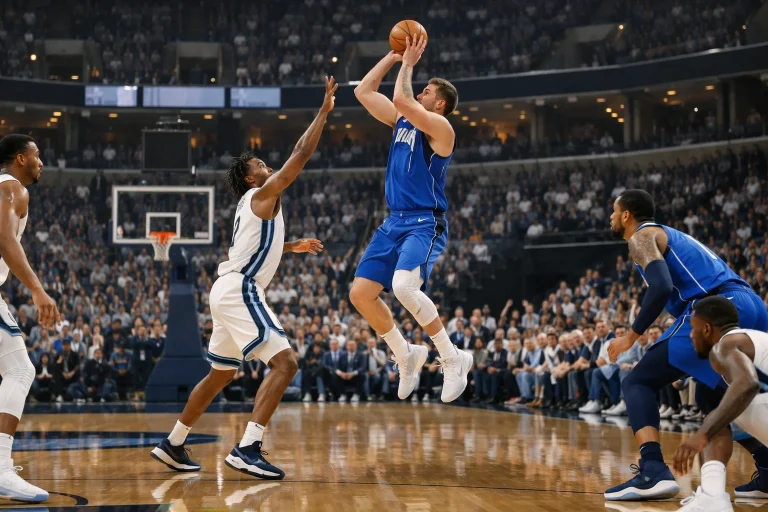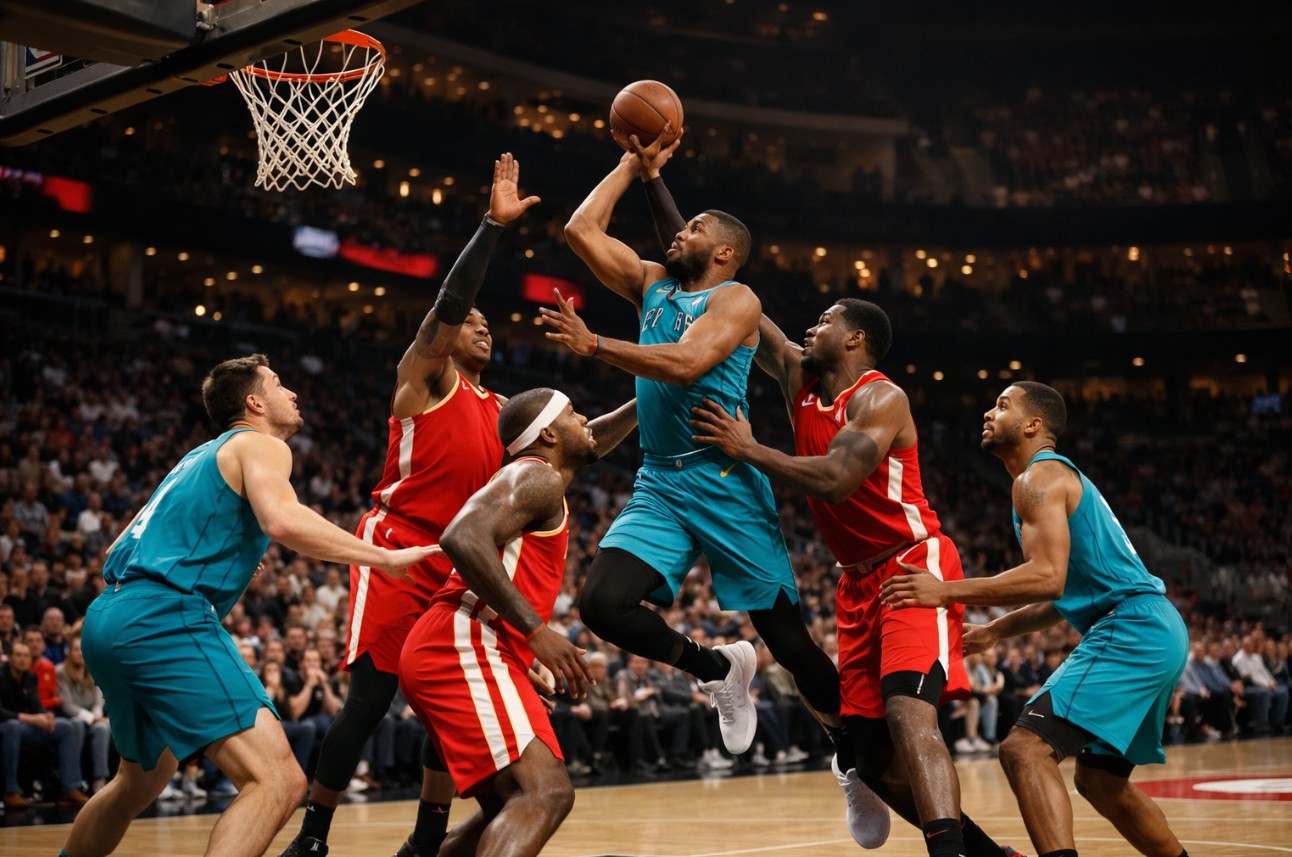
Charlotte Hornets vs Atlanta Hawks Match Player Stats

How often does an NBA game come down to a handful of possessions, despite over 48 minutes of basketball? On Sunday, November 23rd, 2025, the Charlotte Hornets and Atlanta Hawks went head-to-head in a regular-season Eastern Conference battle that was anything but ordinary.
Held at State Farm Arena in Atlanta, the contest was a statistical showdown filled with standout individual performances, clutch moments, and tightly contested runs. The Atlanta Hawks emerged victorious with a narrow 113–110 win, fending off a persistent Hornets squad that refused to back down.
While the final score tells part of the story, it’s the player stats, shooting efficiency, turnovers, and assists that reveal the layers beneath the game’s narrative. This breakdown dives into the full match player stats, exploring how both teams executed on the court and what their performances say about their current form.
How Did the Overall Team Stats Compare Between Charlotte and Atlanta?
The contest was a tale of two well-matched teams, each bringing different strengths to the floor. Charlotte displayed dominance in rebounding and free-throw efficiency, while Atlanta leaned on superior shooting and distribution.
The Hornets finished the game shooting 45.3% from the field and 31.8% from deep, knocking down 14 three-pointers. They also hit 90% from the free-throw line, converting 18 of 20 attempts. Their edge on the boards was clear, with a 43–37 advantage in total rebounds, including 9 offensive boards.

In contrast, the Hawks were slightly more efficient across the floor, shooting 49.5% overall and 35.5% from three-point range. They committed fewer fouls and turnovers, with just 7 giveaways compared to Charlotte’s 15, allowing them to maintain control of tempo during key stretches.
| Statistic | Charlotte Hornets | Atlanta Hawks |
|---|---|---|
| Points | 110 | 113 |
| Field Goal % | 45.3% | 49.5% |
| 3-Point % | 31.8% | 35.5% |
| Free Throw % | 90.0% | 75.0% |
| Total Rebounds | 43 | 37 |
| Assists | 26 | 32 |
| Turnovers | 15 | 7 |
| Blocks | 2 | 5 |
| Steals | 4 | 6 |
Though statistically close in most categories, the Hawks’ ball control and shooting consistency were pivotal in edging out the Hornets.
Which Hornets Players Made the Greatest Impact?
Despite falling short, Charlotte’s performance was far from lackluster. Several players delivered high-quality performances, particularly in the starting lineup, showing poise and offensive firepower.
Kon Knueppel had a breakout game, leading the Hornets in scoring with 28 points in 34 minutes. His ability to hit shots from deep (7 of 11 from beyond the arc) opened up the floor, making him a constant threat in half-court sets. He shot an impressive 52.9% from the field and was perfect from the free-throw line, converting all three of his attempts. Knueppel also contributed 6 rebounds and 3 assists, showing a more rounded game than just scoring.
Miles Bridges played a gritty 35 minutes, scoring 21 points, although he struggled with efficiency, shooting only 38.1% from the field and a disappointing 1 for 9 from three-point range. However, his overall stat line was balanced, with 5 rebounds, 5 assists, and 1 steal, adding defensive intensity to the forward position.
Collin Sexton, playing over 36 minutes, provided 22 points on 50% shooting, despite hitting just 1 of 6 from downtown. He brought energy to the backcourt and added 4 assists, though he also committed 3 turnovers.
Mason Plumlee delivered one of the most efficient performances of the night with a perfect shooting record, hitting both his attempts and collecting 8 rebounds. His presence in the paint and 6 assists were critical in supporting offensive movement.
Collectively, the Hornets starters carried the scoring load, but key misses from deep and a high turnover count prevented them from closing out late opportunities.
What Role Did the Hornets’ Bench Play in the Game?
Charlotte’s bench had moments of impact, but overall inconsistency limited their influence on the game’s outcome.
Moussa Diabaté was the standout among the reserves. He posted 12 points and 11 rebounds in just over 25 minutes, going a perfect 4-for-4 from the field and 4-for-4 from the free-throw line. His dominance on the glass, particularly on the offensive end, provided much-needed second-chance opportunities.
Outside of Diabaté, however, production dropped. Tre Mann struggled from the floor, shooting just 16.7%, while Liam McNeeley, KJ Simpson, and Drew Peterson contributed limited scoring and minimal defensive pressure. The Hornets’ bench collectively lacked the spark needed to capitalize when the starters rested, and their defensive lapses allowed the Hawks to rebuild leads during rotation-heavy periods.
Who Were the Standout Performers for the Atlanta Hawks?
Atlanta’s win wasn’t anchored by one player, but rather by a collective offensive effort and strong floor leadership from their starting five.
Jalen Johnson had a near-triple-double performance, leading the Hawks with 28 points, 8 rebounds, and 11 assists in 39 minutes. He shot exactly 50% from the floor, hit two three-pointers, and remained a steadying force during the game’s most intense moments.
In the backcourt, Dyson Daniels was highly efficient, scoring 22 points on 58.8% shooting while pulling down 9 rebounds and adding 6 assists. His contributions were key to Atlanta’s fast-paced offensive rhythm.
Nickeil Alexander-Walker continued his consistent run, delivering 23 points, 4 assists, and 5 rebounds. He shot 47.1% from the field and made three three-pointers, stretching the Hornets’ defense.
Onyeka Okongwu added size and physicality in the paint with 20 points and 7 rebounds, and even knocked down two triples—a rare but timely addition to his stat line.
Overall, Atlanta’s starting lineup accounted for 98 of their 113 total points. Their combination of shot creation, rebounding, and unselfish play gave them the tools to secure the win despite Charlotte’s late-game push.
How Did Atlanta’s Bench Support Their Starters?
While the Hawks’ bench didn’t need to carry the load, their contributions were timely and efficient. Keaton Wallace made the most of his 16 minutes, scoring 10 points on 66.7% shooting, including two three-pointers that halted Hornets’ mini-runs.
Other bench players, like Mouhamed Gueye and Vít Krejčí, offered spot minutes defensively, while Zaccharie Risacher chipped in with 5 points and 2 rebounds. Though not explosive, the bench maintained intensity and avoided major breakdowns, helping Atlanta stay ahead on the scoreboard.
What Do the Individual Player Stats Reveal?
Here’s a summary table highlighting the key individual performances from both teams:
| Player | Team | MIN | PTS | REB | AST | FG% | 3P% | TO |
|---|---|---|---|---|---|---|---|---|
| Kon Knueppel | CHA | 34:27 | 28 | 6 | 3 | 52.9 | 63.6 | 2 |
| Collin Sexton | CHA | 36:04 | 22 | 0 | 4 | 50.0 | 16.7 | 3 |
| Miles Bridges | CHA | 35:19 | 21 | 5 | 5 | 38.1 | 11.1 | 2 |
| Jalen Johnson | ATL | 39:34 | 28 | 8 | 11 | 50.0 | 50.0 | 0 |
| Dyson Daniels | ATL | 35:40 | 22 | 9 | 6 | 58.8 | 25.0 | 2 |
| Nickeil A. Walker | ATL | 38:34 | 23 | 5 | 4 | 47.1 | 42.9 | 1 |
The numbers reflect just how evenly matched both teams were in terms of top-tier production, though Atlanta’s slight edge in efficiency and turnovers proved crucial.
What Decided the Final Outcome of the Game?
In a game that went down to the final possessions, execution under pressure became the deciding factor. The Hawks were able to:
- Protect the ball better, committing just 7 turnovers
- Create more open shots, resulting in higher shooting percentages
- Capitalize on Hornets’ defensive lapses, especially during rotations
Meanwhile, the Hornets failed to convert several open looks in the last two minutes and struggled to maintain defensive spacing when Atlanta’s ball movement accelerated.
What Can Be Learned from This Matchup?
From a statistical perspective, the game reveals key takeaways for both squads. The Hornets showcased young talent and solid rebounding, but their high turnover count and poor three-point efficiency from key players hurt their chances of closing out the game.
The Hawks, meanwhile, demonstrated the benefits of balanced scoring, low turnovers, and floor-spacing, even without a 40-point individual performance. Their ability to distribute scoring responsibilities and maintain efficiency across starters and key reserves was the ultimate difference-maker.
Frequently Asked Questions
Who led all scorers in the game?
Both Kon Knueppel (Charlotte) and Jalen Johnson (Atlanta) scored 28 points each, leading their respective teams.
Which team had better three-point shooting?
The Hawks had a slight edge, shooting 35.5% from three, compared to the Hornets’ 31.8%.
How many turnovers did each team commit?
Charlotte had 15 turnovers, while Atlanta was much cleaner with only 7.
Did any bench players make a notable impact?
Yes, Moussa Diabaté (Hornets) had a double-double, and Keaton Wallace (Hawks) scored 10 points in limited minutes.
Who recorded the most assists?
Jalen Johnson led all players with 11 assists.
What was the deciding factor in Atlanta’s win?
Lower turnovers, better shot selection, and strong late-game execution helped the Hawks secure the win.
Was this game significant for either team’s standings?
While not a playoff decider, the close nature of this game highlights both teams’ potential competitiveness in the Eastern Conference.